Botanicals
What is a botanical bar?
A botanical bar is an alcohol-free hangout serving kava, teas, and other plant-based drinks. Here’s how it differs from a kava bar and what to expect.
By the Bulafy team 4 min read
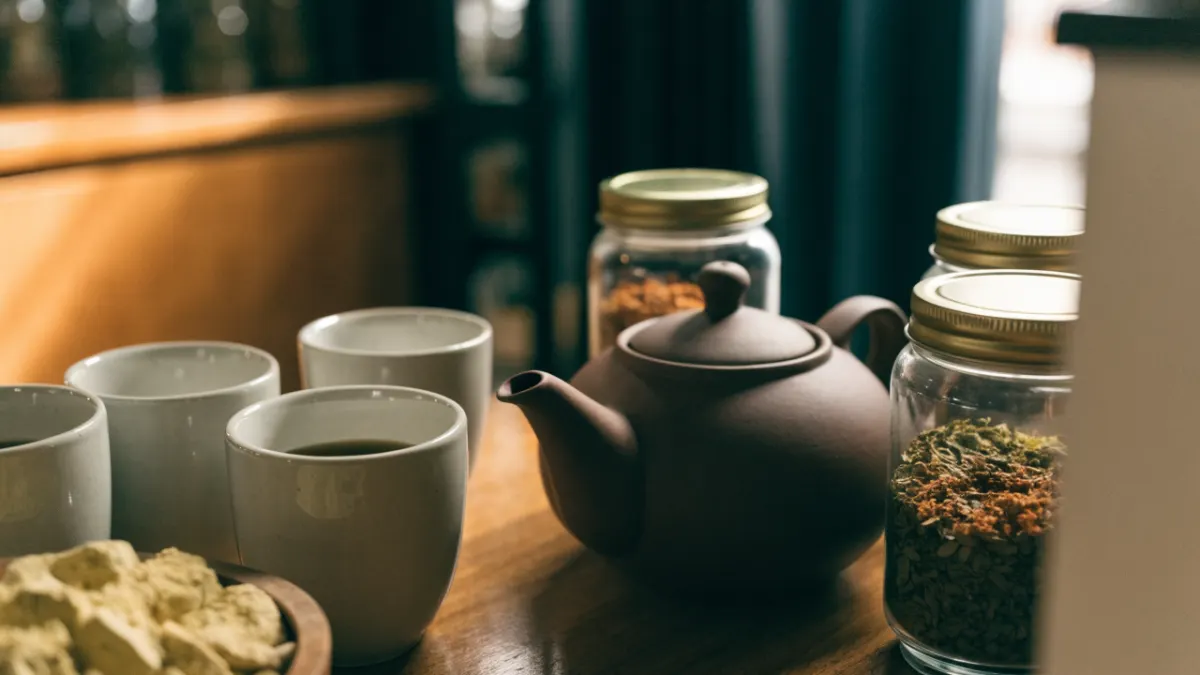
A botanical bar is a catch-all term for an alcohol-free spot that serves plant-based drinks—often kava, a range of teas, and other herbal or functional beverages. Some botanical bars look a lot like kava bars, but the focus is usually broader than kava alone.
What “botanical bar” means in plain English
Think of “botanical bar” as a vibe and a menu direction, not a strict category with one set definition. It usually describes a social space built around non-alcoholic drinks made from plants: brewed, steeped, blended, or traditionally prepared.
In practice, a botanical bar might include any mix of things like kava, loose-leaf teas, herbal infusions, and other alcohol-free specialty drinks. Some places use the term because they serve kava and other botanicals. Others use it to signal “bar-style” service without alcohol.
If you’re new to kava specifically, it helps to read a basic overview first, then come back to the bigger “botanical bar” idea. Here’s a good starting point: What is kava?.
How botanical bars differ from kava bars
A kava bar is usually centered on kava as the main draw. A botanical bar is more like an umbrella term—kava might be one of the headliners, or it might share the spotlight with teas and other plant-based drinks.
Here are the differences you’ll most often notice:
- Menu focus: Kava bars typically put kava front and center; botanical bars may treat kava as one category among many.
- Staff “specialty”: At a kava-focused spot, you’re more likely to find staff who can explain different kava preparations and styles in detail. Botanical bars vary—some are very kava-literate, some are tea-first.
- Your ordering experience: Kava bars often have their own house rhythm and terminology. Botanical bars may feel closer to a tea house or café, just with bar-style service.
- Why people come: At kava bars, many guests are there specifically for kava. At botanical bars, you’ll see more people who are simply looking for a non-alcohol social drink and want options.
None of this is “better” or “worse.” It just changes what makes sense to order, and how much guidance you might want from the person behind the counter.
What you’ll usually find on the menu
Because “botanical bar” is broad, menus vary a lot. Still, there are some common patterns. If you’re trying to figure out what a place is before you go, scanning the menu or photos online can tell you a lot.
- Kava: Sometimes traditional-style preparations, sometimes offered alongside other drinks. If you want to understand the traditional method, see How to make kava at home.
- Tea in multiple forms: Hot tea, iced tea, loose-leaf options, herbal infusions, and house blends are common.
- Botanical “mocktails”: Non-alcoholic mixed drinks built around teas, herbs, spices, or other plant ingredients.
- Coffee and café basics (sometimes): Some botanical bars lean tea-forward, others are more café-like, and some avoid coffee entirely.
One useful thing to know: when a menu says “botanicals,” it can mean everything from familiar herbal teas to more niche plant ingredients. If you don’t recognize something, it’s normal to ask what it is and how it’s prepared.
Where kratom fits in (and why you should double-check legality)
Some botanical bars also serve kratom. Others don’t want anything to do with it. You’ll see the same split with places that identify as kava bars, too.
If kratom is on the menu, it’s worth slowing down and getting clear on what it is and what you’re comfortable with. A neutral overview is here: Kava vs. kratom: what’s the difference?.
Laws and rules around kratom can change and can differ by state (and sometimes by city or county). If you’re traveling or searching in a new area, use Bulafy’s state guides as your starting point: browse every state.
How to pick a place that matches what you want
The “right” botanical bar depends on what you’re looking for: a kava-first experience, a tea-house feel, a broad menu, or just a comfortable alcohol-free third place. A couple small checks can save you a disappointing trip.
- Decide what you want to drink first: If you specifically want kava, start by learning what to expect in a kava-centered space: Your first kava bar: what to expect.
- Use directories and filters: To look by city, state, or zip, use search.
- Check location density at a glance: If you’re comparing neighborhoods or planning a trip, the map makes it easy to see what’s nearby.
- Read the menu language carefully: “Botanical bar” doesn’t guarantee kava, and “kava bar” doesn’t guarantee a wide tea program. Look for the specific drinks you care about.
If you want more guides like this, you can browse the full library at all guides.
Quick answers
Is a botanical bar the same thing as a kava bar?
Not always. A kava bar is usually kava-centered, while “botanical bar” is a broader label that may include kava, teas, and other plant-based drinks.
Do botanical bars serve alcohol?
The term is typically used for alcohol-free bars and alcohol-free social spaces, but menus vary—check the venue’s menu or listings to be sure.
Do all botanical bars serve kratom?
No. Some do and some don’t, and legality can vary by location. If it matters to you, confirm what’s on the menu and check your state’s rules.
How can I find a botanical bar or kava bar near me?
Use Bulafy’s search to look by city, state, or zip, or browse nearby options on the map.