Kava guides
Noble vs. tudei kava: what the difference means for you
Noble kava is the standard for social, everyday drinking. Learn what “tudei” means, why many avoid it, and how to check what you’re served.
By the Bulafy team 4 min read
Noble kava is the type most people want for regular, social drinking. “Tudei” (or “two-day”) kava is a label people use for kava that tends to feel heavier and linger longer, so it’s commonly avoided for everyday use.
What “noble” and “tudei” mean in plain terms
These terms come from Pacific Island kava traditions and modern kava trade jargon. They’re not official grades set by a single regulator, so you’ll see the words used a little differently from seller to seller.
Still, the basic idea is consistent: noble kava is the preferred “everyday” type, while tudei kava refers to kava that people report as more likely to feel rough, long-lasting, or “next-day” in a way they don’t want from a casual drink.
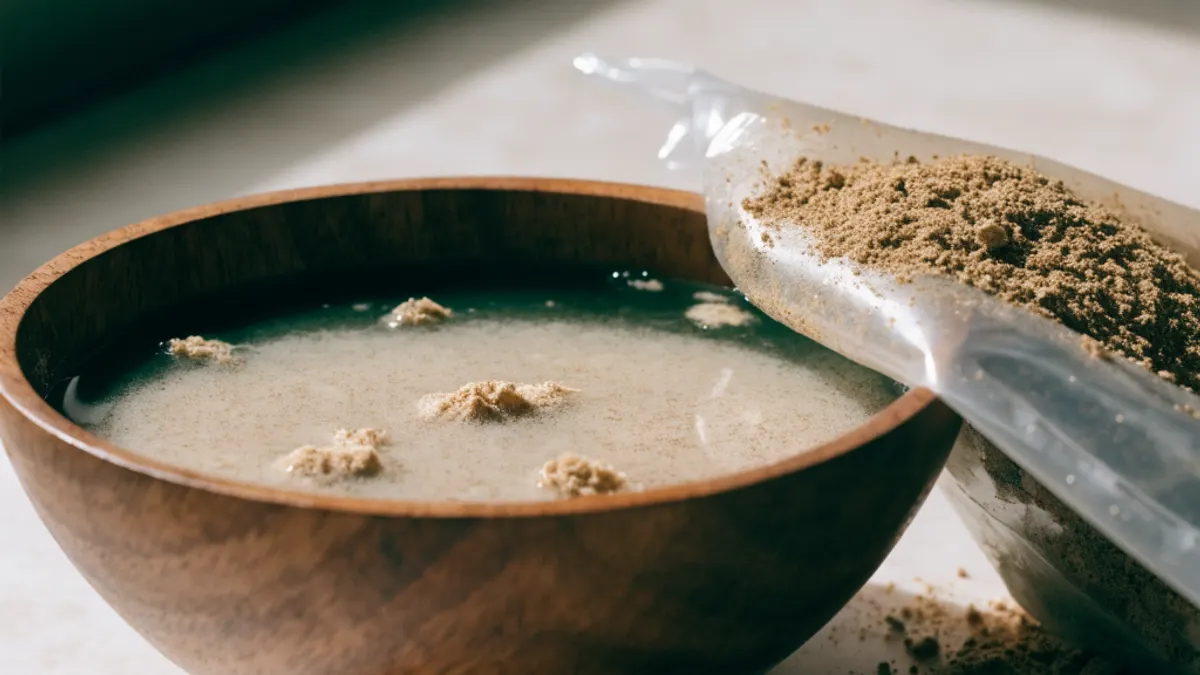
One important point: you can’t reliably confirm “noble vs. tudei” just by looking at the powder or by how muddy a cup looks. It mostly comes down to what kava variety was used, what part of the plant was included, and how it was processed and handled before it got to the bar or store. If you’re brand-new to kava, it helps to start with the basics in What is kava?.
Why tudei kava is commonly avoided for everyday drinking
People avoid tudei because the experience is often described as less clean and less predictable than what they expect from “good” kava. The common complaints are about how it hangs around—feeling heavy, lingering, or generally not what you’d pick when you want a straightforward session and a normal next day.
Because there’s no simple on-the-spot test, the practical takeaway is this: if you’re trying kava as a regular social drink, you’ll usually have a better time sticking with places and sources that specifically commit to noble kava and can tell you where it came from and how it was prepared.
This is also why many kava bars and reputable sellers make “noble only” a talking point. It’s less about sounding fancy and more about setting an expectation: a smoother, more typical kava experience that people come back for.
What actually makes a kava “noble” (and what makes people suspicious)
At a high level, “noble” is tied to the kava cultivar (variety) and traditional use. “Tudei” often shows up as a warning label for certain cultivars that developed a reputation for undesirable, drawn-out effects.
But cultivar isn’t the only thing that matters. A lot of “bad kava” stories are really about quality control and processing choices. Here are the big factors people look at when they’re trying to avoid tudei-like experiences:
- Plant parts used: Traditional kava is made from peeled roots and sometimes basal stump. When a product leans heavily on aerial parts (like stems and leaves) or poorly cleaned material, it raises eyebrows.
- Age and maturity of the plant: More mature root is generally preferred over very young plant material.
- Processing and storage: Moldy, musty, or stale-smelling kava is a red flag regardless of “noble” claims.
- Transparency: If a seller or bar can’t tell you anything beyond “it’s kava,” you’re relying on luck.
You don’t need to memorize botany to be a smart customer. You just want a place (or supplier) that treats kava like a fresh food product: sourced carefully, handled cleanly, and talked about plainly.
How to make sure you’re being served noble at a kava bar
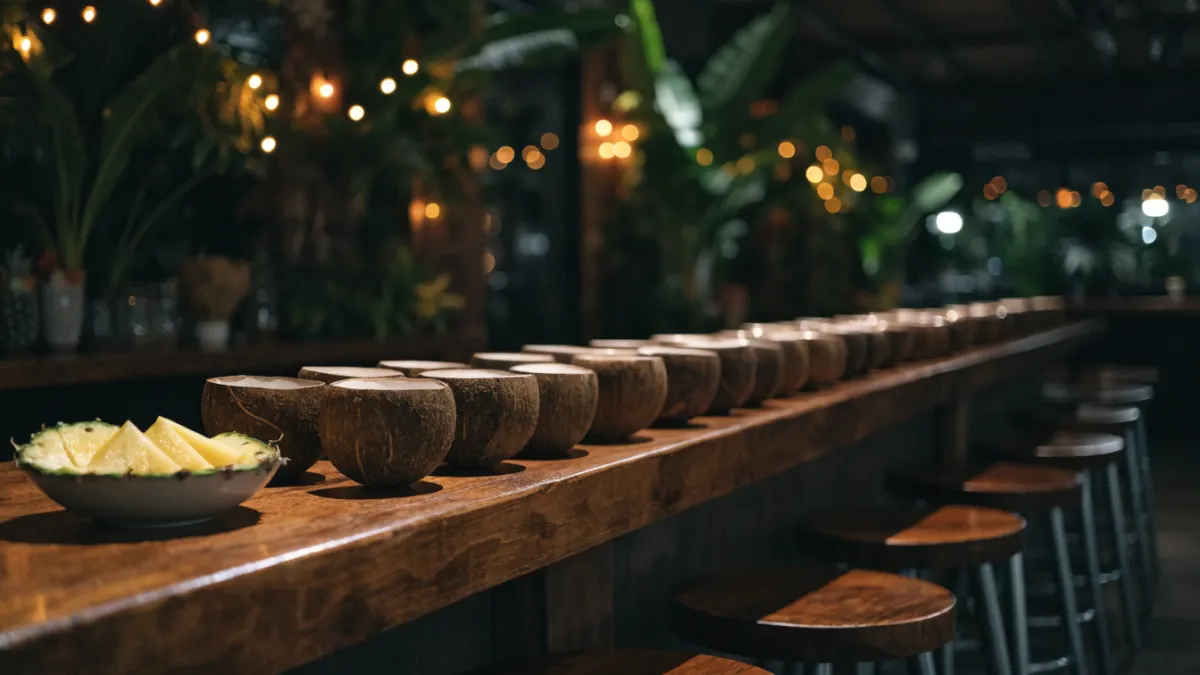
If you’re ordering in person, your best tool is a simple, polite question. A solid kava spot is used to hearing this and should be able to answer without getting weird about it. If you’re planning your first visit, it helps to know the flow of a typical bar in Your first kava bar: what to expect.
- Ask directly: “Do you serve noble kava only?”
- Ask about sourcing: “Do you know the origin (country/region) and whether it’s a noble cultivar?” Not every server will know the cultivar name, but a well-run spot usually has sourcing info available.
- Notice how they respond: confident, consistent answers are a good sign; vague hand-waving isn’t.
- Pay attention to freshness: kava should smell clean and earthy, not musty or sour.
If you’re choosing between places, use Bulafy to compare options in your area. Start with the map to see what’s nearby, then narrow down using search. If you’re traveling, browse every state since availability and norms can vary place to place.
Buying kava for home: what to look for (and what to avoid)
For home use, you’re relying on the label and the seller’s reputation. “Noble” on the bag is a good start, but what you really want is clear sourcing and clean handling—plus guidance on traditional prep. If you haven’t made it before, follow a straightforward method like the one in How to make kava at home (the traditional way).
When you’re shopping, focus on these practical checks:
- Look for explicit “noble” claims plus origin details (at least the country, sometimes an island/region).
- Avoid mystery blends that don’t say what they are beyond generic marketing language.
- Trust your nose: anything that smells off, damp, or musty is a pass.
- Choose sellers who explain their kava plainly and don’t dodge basic questions about plant parts and sourcing.
If you want a deeper shopping checklist (formats, grind, prep expectations), Where to buy kava (and what to look for) goes step-by-step without assuming you already know the lingo.
Quick answers
Is noble kava the same thing as “instant” kava?
No. “Noble” refers to the type/variety and traditional suitability, while “instant” describes a preparation format. You can find noble kava in different formats.
Can you tell tudei kava by taste or how numb your mouth feels?
Not reliably. Taste and mouth feel vary with preparation and strength, and they don’t consistently identify whether a kava is noble or tudei.
What should I ask a kava bar to confirm it’s noble?
Ask, “Do you serve noble kava only?” and follow up with where it’s sourced from. A good bar should have a clear, consistent answer.
Is tudei kava illegal in the U.S.?
There isn’t a single U.S.-wide rule specific to “tudei” kava. Availability and policies vary by seller, and rules can change, so check your state and the venue’s sourcing info.