Kratom
What is kratom? A plain-English primer
Kratom is a Southeast Asian tree leaf sold in the U.S. as powders, capsules, and drinks. Here’s what it is, how it’s used, and what the FDA says.
By the Bulafy team 4 min read
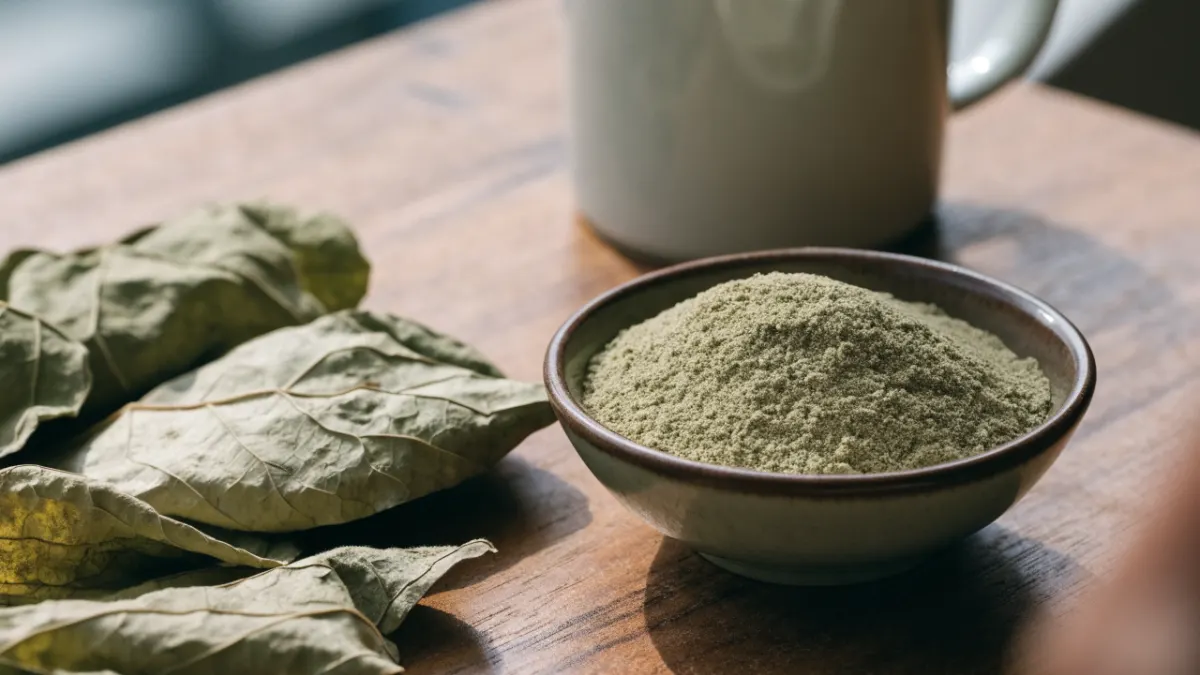
Kratom is the common name for Mitragyna speciosa, a tropical tree in the coffee family. In the U.S., “kratom” usually means the dried leaf sold as a powder, capsule, or ingredient in drinks, with effects that can vary a lot by product and person.
The kratom tree (Mitragyna speciosa) in plain terms
Kratom comes from a tree native to Southeast Asia, especially places with hot, humid climates. Botanically, it’s in the same plant family as coffee (Rubiaceae), which is why you’ll sometimes hear it mentioned in that context.
The part used is the leaf. Leaves are harvested and then typically dried and milled into a fine powder, or processed into other formats. When people talk about “kratom,” they might mean the plant itself, the leaf material, or a retail product made from the leaf.
One thing that trips up new folks: “kratom” isn’t a single standardized item. Different products can vary in how they’re made, how concentrated they are, and what else is mixed in. Even the same product name can mean different things from one seller to another.
A quick, careful look at its history in Southeast Asia
Kratom has a long history of traditional use in parts of Southeast Asia. It has been used in different ways depending on region and context, including chewing fresh leaves and brewing leaf tea.
It’s also been connected, historically, to working life in some communities—used in everyday routines rather than in a “supplement” mindset. That said, traditional use isn’t one single practice, and it doesn’t tell you much about how modern, packaged products will behave.
In the U.S., most people encounter kratom through retail products rather than fresh leaf. That shift matters: processing, shelf products, and marketing categories can change what you’re actually getting.
How kratom is sold in the U.S. (and what “forms” you’ll see)
In the U.S., kratom is commonly sold in a few main formats. You’ll see it online, in smoke shops, and sometimes in dedicated botanical beverage spaces often called kratom bars. If you’re trying to understand the “scene” without guessing, it helps to focus on form and labeling rather than hype.
- Powder: Dried leaf ground into a fine powder. This is one of the most common retail forms.
- Capsules/tablets: Powdered leaf put into standardized pill forms. The packaging may look like a supplement even when it isn’t regulated like a prescription drug.
- Liquid products: This can include ready-to-drink beverages and concentrated liquid preparations. Potency can vary widely across products.
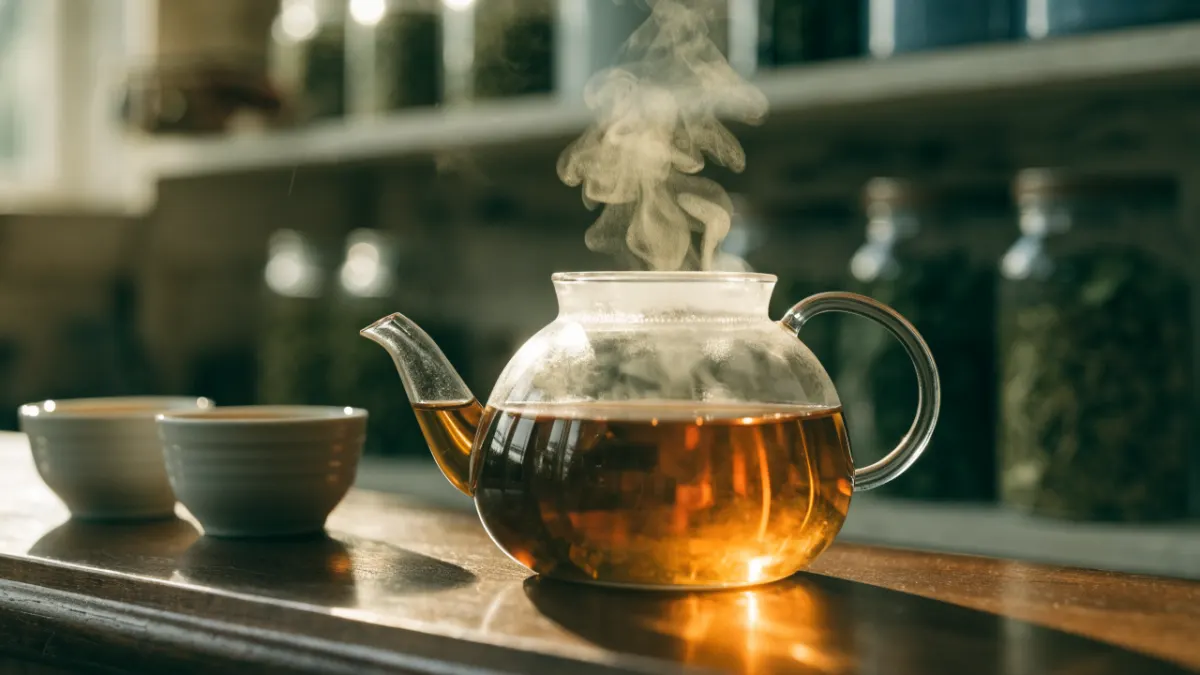
- Tea-style preparations: Some places prepare it as a brewed drink from leaf material, though “tea” can still mean different things depending on the source and method.
You’ll also hear people use “strain” or color-style labels (like red/green/white). Those terms are widely used in retail, but they aren’t a reliable, universal system the way a botanical species name is. If you’re comparing products, don’t assume those labels guarantee consistent contents or effects.
If you’re mainly here because you’re a kava person and you’re trying to place kratom on the same map, it’s worth reading Kava vs. kratom: what’s the difference?. They show up in some of the same social spaces, but they’re different plants with different cultural histories and different risk conversations around them.
What the FDA’s position means in everyday language
The U.S. Food and Drug Administration (FDA) has repeatedly said it does not recognize kratom as an approved drug, and it has raised safety concerns about kratom products. In plain terms: the FDA has not approved kratom for any medical use, and it has cautioned consumers about risks and product quality issues.
What that means for you at street level is mostly about expectations. Kratom products are not evaluated like prescription medicines for proven use, consistent dosing, or manufacturing uniformity. Quality can be uneven, labels can be confusing, and different products can be much stronger or weaker than you’d guess from a name alone.
If you want to see how kratom bars are described as a category (separate from kava bars), start with What is a kratom bar?.
Finding kratom in real life: bars, lounges, and legality basics
Kratom can show up alongside other botanical drinks, including kava, depending on the venue and the state. If you’re traveling or new to this, the biggest practical issue isn’t the menu—it’s whether it’s allowed where you are, and how a venue handles basic transparency.
Because laws and local rules can change, the safest way to approach legality is to check your state first and then confirm locally. Use Kratom bars near me: finding one and checking it’s legal for a practical overview, and then go straight to Kratom laws in 2026: what changed, state by state to look up your state.
If you’re mostly looking for kava spaces (with or without kratom nearby), you can browse venues on the map or use the search tool by city, state, or zip.
Quick answers
What is kratom made from?
Kratom comes from the leaves of *Mitragyna speciosa*, a tropical Southeast Asian tree in the coffee family.
Is kratom the same thing as kava?
No. They’re different plants with different traditional use and different product types; see kava vs. kratom for a clear side-by-side.
What forms does kratom come in?
In the U.S., kratom is commonly sold as dried-leaf powder, capsules, and liquid products, and sometimes prepared as tea-style drinks.
Is kratom legal where I live?
Rules vary by state and can change over time, so check your state first using kratom laws in 2026 and confirm locally.